
There are going to be a good few dune photos spread through these early weeks, and maybe into the coming months.
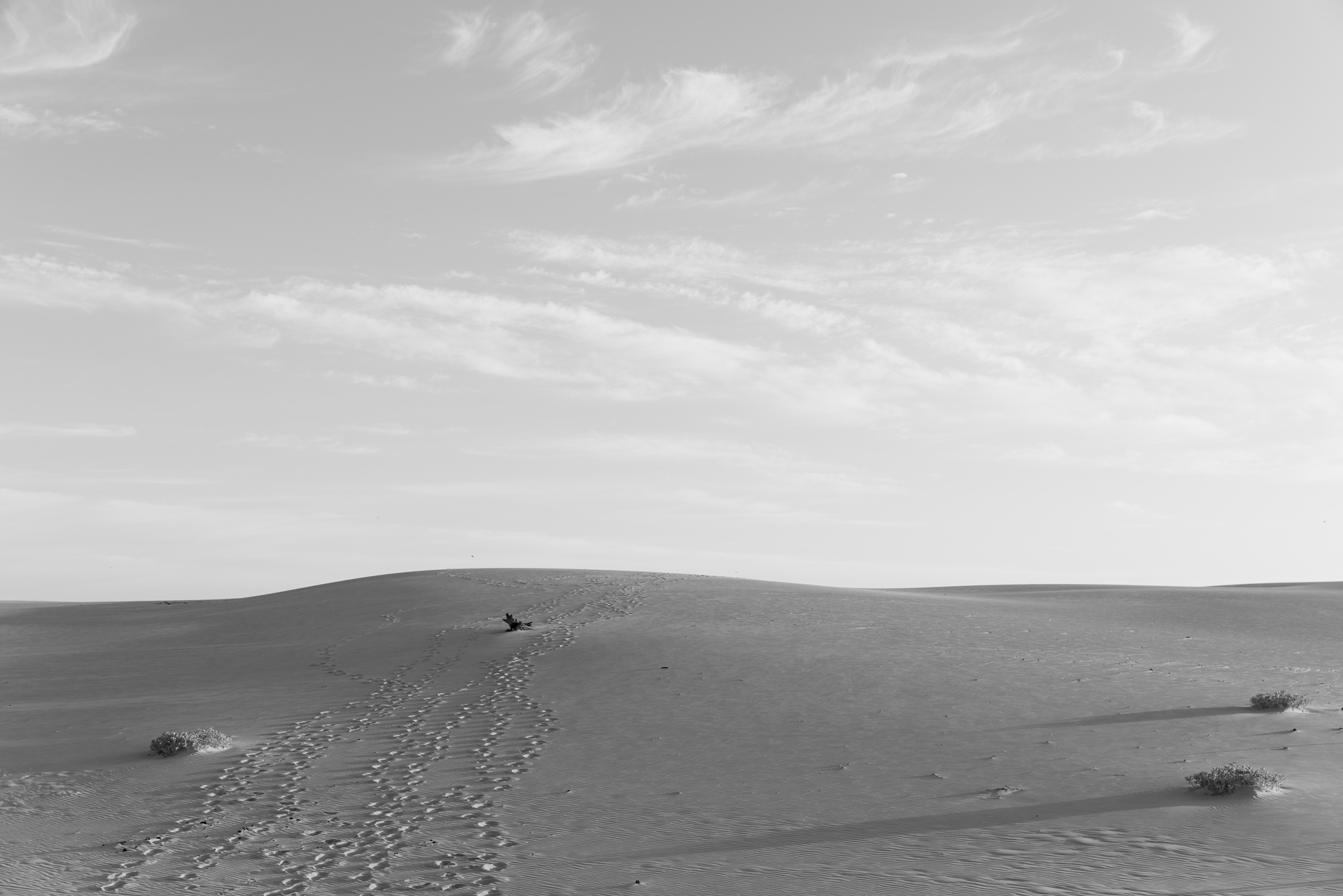
So here we have a photo of part of a sand dune system, and like many of these types of dramatic, kind of minimal photos, this carries a sense of isolation and sparseness. Ideas of a sense of journey, perhaps without knowing direction. Trapped in openness. There’s some vegetation and their shadows draw long, but the space still feels empty.
This is my submission into the three hundred-and-thirty-first Lens-Artists Photo Challenge. The theme for this one is “Resilience“.
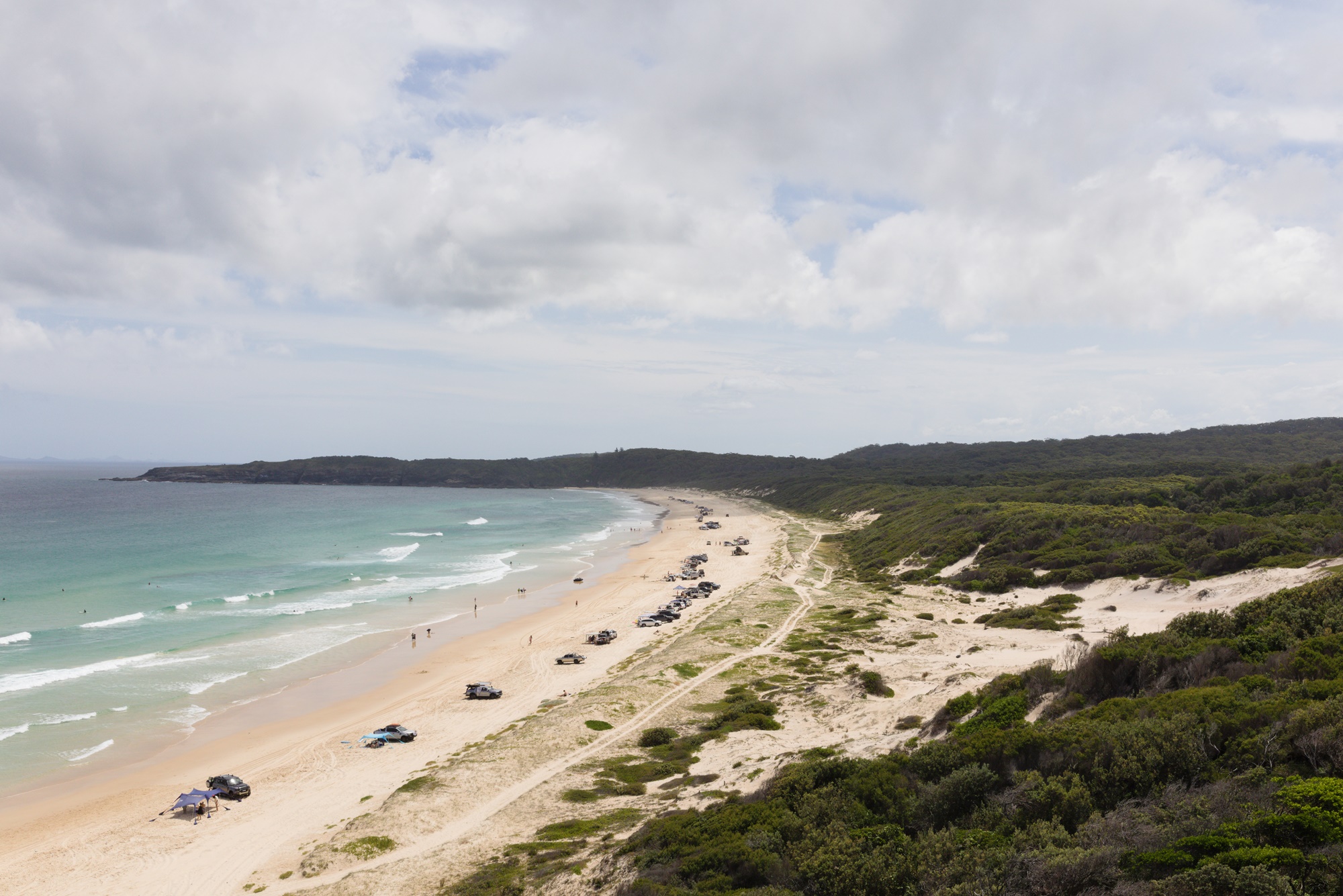
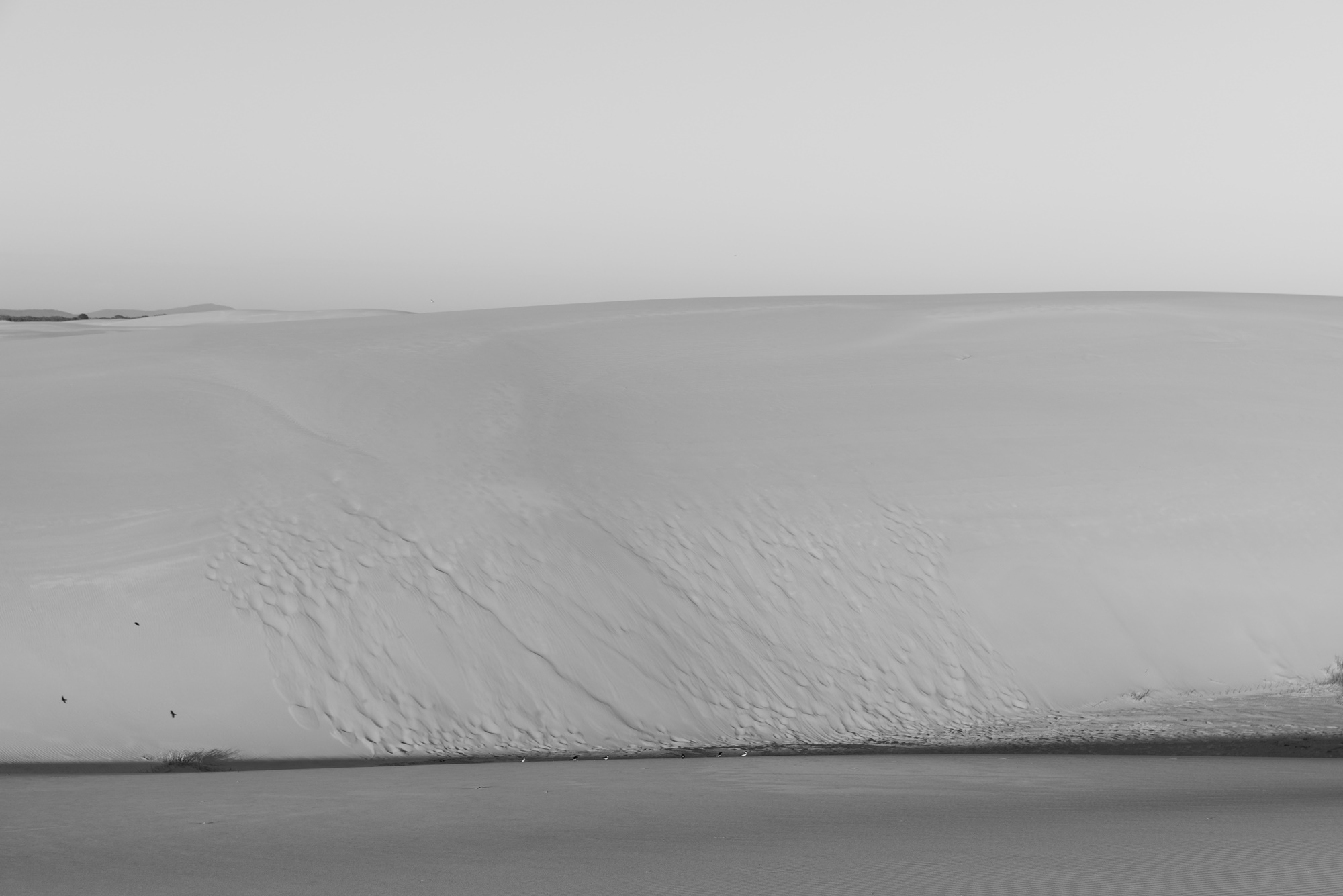
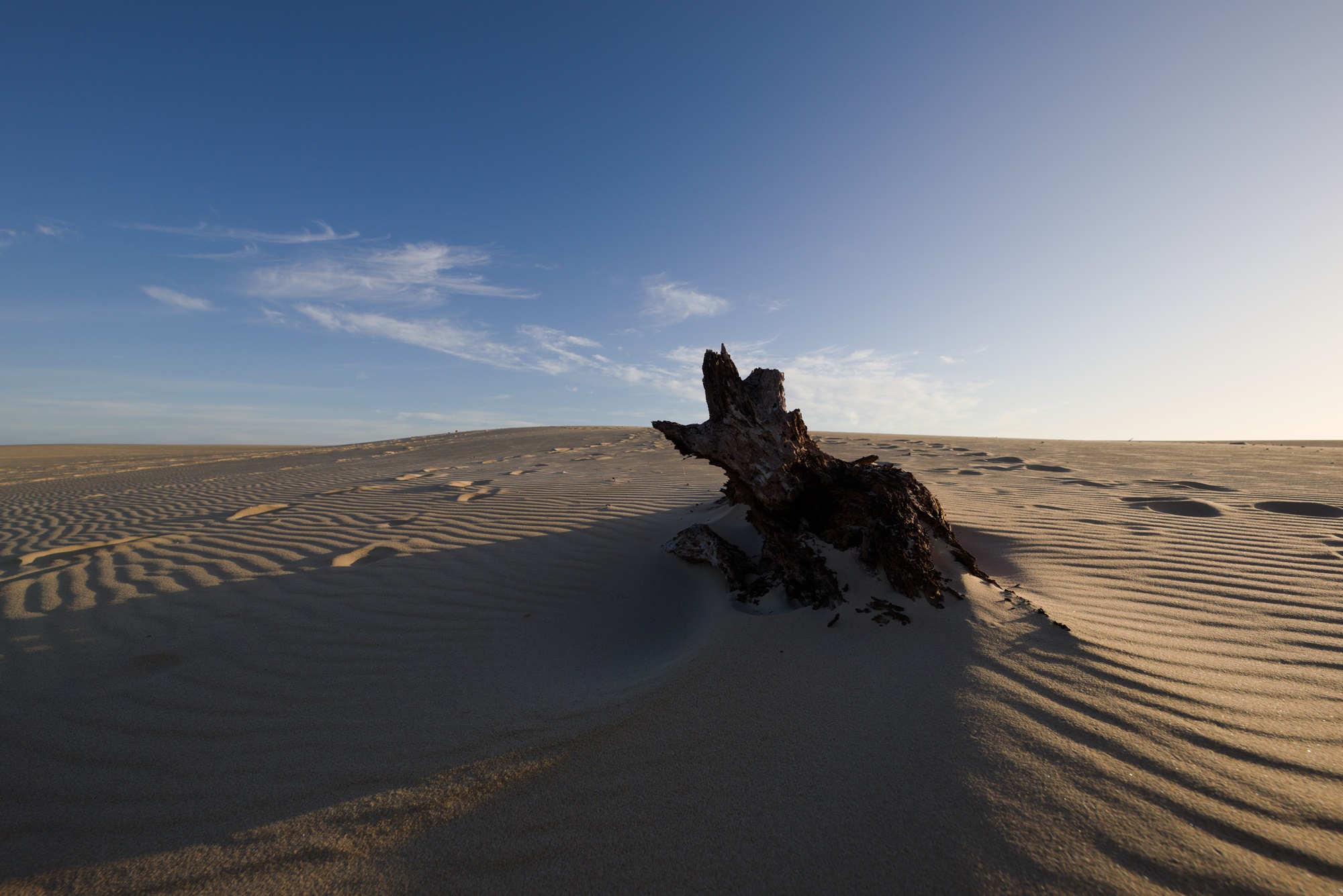
Dune systems are usually pretty resilient, and they need to be. The plants that form on dunes need to withstand sand abrasion, and normally they will also capture that sand. As they do, they’ll spread and more vegetation will appear. The more sand that is captured, the faster a dune system can be replenished after a storm. The less sand gets washed away, and the more stable the dune becomes. Sand is also prevented from blowing inland as the vegetation captures it, which allows different kinds of habitats to form, and also makes for habitable space.
There’s a lot of life on sand dunes and it too needs to be resilient to an extent, or at least adaptable. Sand dunes are pretty important, and so we need to do more to protect them.
The host of the Lens-Artists challenges cycles weekly between the following people:
This one is curated by Anne. The next one is curated by Ritva.
I recommend joining the community and participating in the challenges. They’re pretty straightforward, allow room for interpretation, and provide a good way to think about photography in general. If not, however, then at the very least you should check out what others submit to the challenges.
I hope you enjoy.






 Stupidity Hole